



Families in communities outside Nashville are sharing emotional stories of loved ones grappling with histoplasmosis, a rare but serious fungal illness, as Tennessee health officials race to contain an outbreak that has sickened more than 30 people and claimed at least one life.
The accounts come as investigators work to pinpoint the source of the infections, which have alarmed residents and heightened public health concerns in the region.
Family members confirmed the death of Alyssia Brown, who died after a positive test for the fungal infection in December. Her mother in Knoxville said the positive test result came back days after her daughter's death.
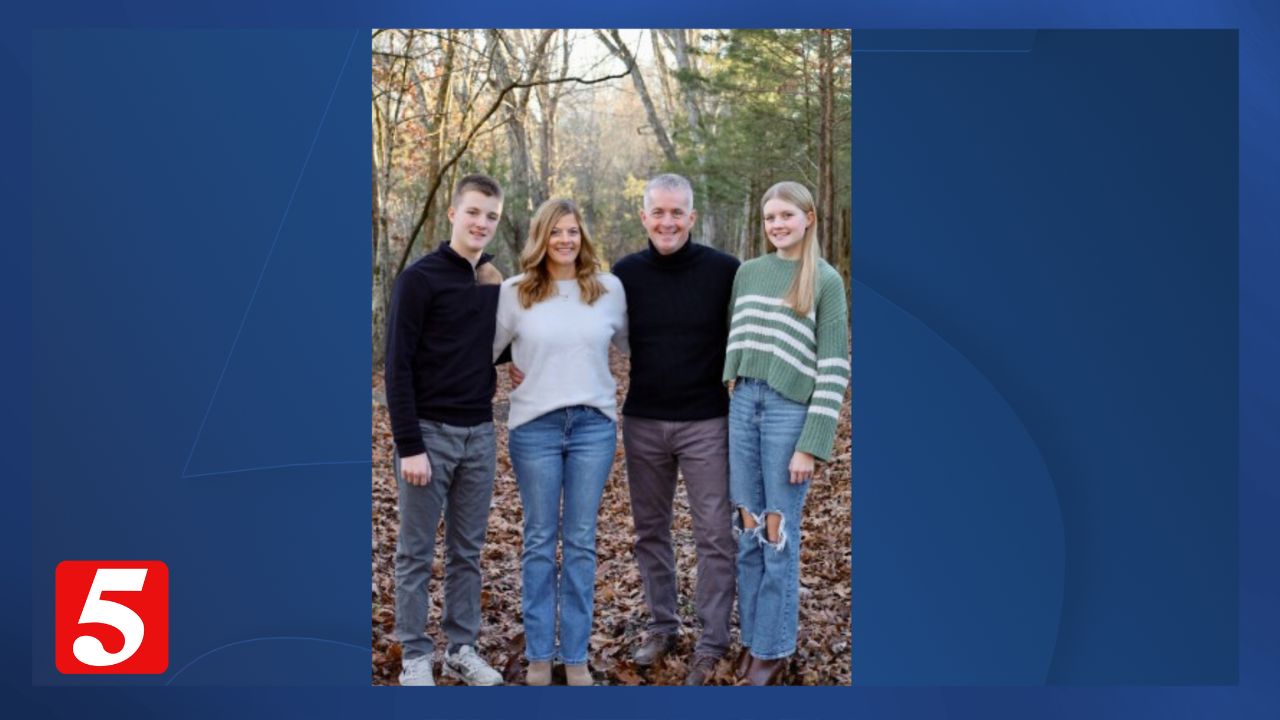
Among the survivors is 14-year-old Eli Stinson from Thompson's Station, whose months-long battle with the illness began with a fever on Halloween that wouldn't break.
"I think they drained half my blood it felt and nothing was coming back positive," Eli said.
His mother, Cari Stinson, watched her athletic, energetic son become constantly exhausted. Despite Eli's normally strong immune system, she knew something was seriously wrong.
The breakthrough came when someone sent Cari an article about histoplasmosis, giving her a specific test to request from doctors.
"Instantly, I was like oh my gosh, I bet this is what he has," Cari said. "All the tests came back positive."
Cari said she had to persistently advocate for her son's care.
"I felt like the crazy mom I kept calling, but I knew he had it," she said. "I want people to know in Thompson's Station, especially around this June Lake area, if your kid is sick, this isn't a 7 to 10 day cold virus. It's a bigger deal."
According to the Centers for Disease Control and Prevention, histoplasmosis is a fungal infection caused by breathing in spores of the fungus Histoplasma from the environment. It's commonly found in soil in the Ohio and Mississippi River valleys, which includes Middle Tennessee, and can spread through bird or bat droppings in soil.
It does not spread from person-to-person or between humans and pets, like dogs and cats, the CDC said.
The infection can cause mild to life-threatening symptoms, like pneumonia and meningitis. The CDC said that histoplasmosis is often misdiagnosed or diagnosed late.
The Stinsons said they aren't the only household in their neighborhood affected by the illness, raising concerns that nearby construction may be a contributing factor.
"I do worry if it's gonna keep happening," Cari said. "Will he get sick again at baseball? I just want them to find a source like where did it come from."
Eli has returned to his normal activities, but still experiences some lingering effects.
"Just worn out as the day goes on I get more tired," Eli said. He added that his friends nicknamed him "mushroom boy" because of the fungal infection.
The family hopes that sharing their story will encourage other families to request specific testing and push for a deeper investigation into the outbreak.
"Something is happening right now to have all these cases with outbreaks," Cari said.
Eli continues to have follow-up medical appointments to monitor his recovery.
State health officials said they have not yet identified a clear source of exposure for the outbreak.
The following is their full statement:
"More than 30 histoplasmosis cases have been identified in Williamson & Maury Counties. The investigation is ongoing and a clear source of exposure has not been identified which is not uncommon for histoplasmosis.
Histoplasmosis is commonly found throughout the soil in Tennessee, so it can be challenging to completely prevent exposure. People at highest risk of severe infection are those that are exposed to a large amount of spores and/or those with weakened immune systems. Individuals can reduce their potential exposure to histoplasmosis if they avoid activities that disturb the soil or increase exposure to plant matter or bird or bat droppings. This includes activities like cleaning chicken coops, exploring caves, cleaning, remodeling, or tearing down old buildings, landscaping or farming, and gardening or yardwork.
If an individual feels that they are at high risk or want to mitigate their risk even further, they can consider wearing a protective mask like an N-95 while conducting higher risk activities."
This story was reported on-air by Amanda Roberts with the Scripps News Group station in Nashville and has been converted to this platform with the assistance of AI. Our editorial team verifies all reporting on all platforms for fairness and accuracy.
