



WXYZ — High blood pressure during and after pregnancy can turn dangerous fast. And for some new moms, the risk actually rises after they go with their baby. This morning, I'm taking you inside Henry Ford Health's Heart Healthy Moms Program, and showing how it's helping families catch early trouble.
Watch Keenan Smith's report in the video player below

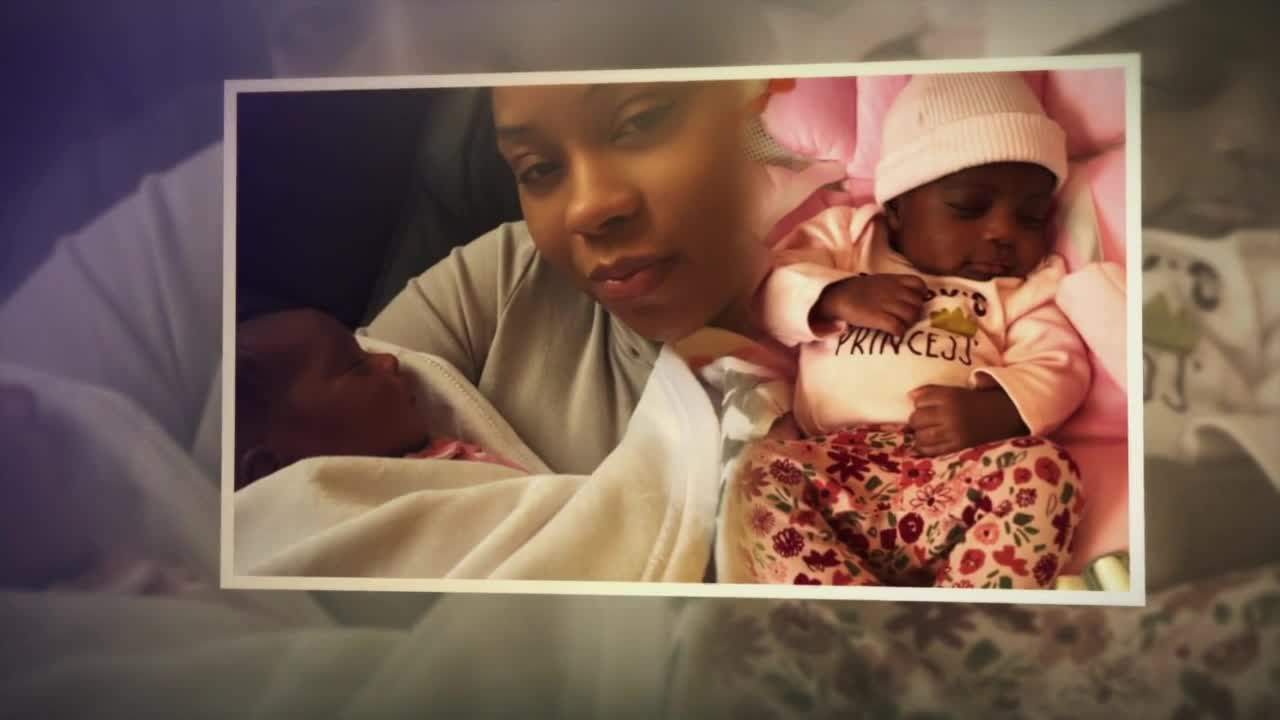
For T'melia Boswell these are the pictures of a familyu she waited and hoped for.

A new baby girl, a first child, and a healthy newborn. I asked her how the pregnancy was.
"Pregnancy was good. I had, everything was under control up until I would say 34 weeks," the new mother replied.
That's when T'melia's blood pressure started to rise. By 36 weeks, she was admitted to the hospital with gestational hypertension. It is one of the hypertensive disorders of pregnancy, a group that also includes Preeclampsia and affects up to 16 percent of U.S. pregnancies.
"It was a shocker for me for sure. I thought I had it under control as far as like eating habits, you know trying to stay active," T'melia said.
Thankfully, T'melia's daughter was born healthy. And at first, T'melia said her blood pressure returned to normal. But five days after leaving the hospital, her blood pressure began to spike. She was re-admitted to the hospital without her new baby, who was just four days old.
"That was kind of difficult with the detachment of just having a brand new baby and having to be readmitted without her," she said.

Dr. Ryhm Radjef, a cardiologist with Henry Ford Health, told me that rebound high blood pressure (3-7 days after birth) is the No. 1 reason for hospital re-admission after delivery. She said high blood pressure during or after pregnancy is dangerous for Mom and baby.
"For mom, it would be risk of heart attack, risk of heart failure, risk, of stroke, and the risk of Preeclampsia," Dr. Radjef said.
That is the gap Henry Ford Health is trying to close with heart healthy moms. It is a blood pressure management clinic for moms who had hypertension during pregnancy or after delivery. Moms are referred based on their heart history, and screened by the care team. In the session, moms learn how to read their numbers, what warning signs should send them to a doctor, and why the same habits that protect their blood pressure now can protect their hearts for decades.
"Heart disease is the leading cause of maternal mortality postpartum. And so we felt that it was our role to manage that in the postpartum and then screen for the other risk factors," Dr. Radjef said.
Those risk factors include diabetes and high cholesterol. But Dr. Radjef said the program is also built around a reality doctors see after delivery: many moms are focused on the baby, may not have a primary care doctor, and may not know they are still at risk. The team uses a community health worker supported in partnership with "Detroit's hope starts here" to get the word out, that hypertension during and after pregnancy can be a window into a woman's future heart health.
"You'll look at five, 10, 20 years, you are two times more like to have heart attacks, strokes, and heart failure if you had Preeclampsia," Dr. Radjef said.
T'melia said she's taking that warning seriously and feels empowered with tools to help her live a healthier life that now includes a precious new addition.

Doctors say anyone who has high blood pressure during pregnancy or after delivery should have a clear follow-up plan, know their numbers, and take symptoms seriously. Warning signs can include a severe headache, chest pain, shortness of breath, vision changes, swelling or blood pressure readings in the severe range.
If that happens, doctors say you shouldn't wait; you should seek medical care right away.
