
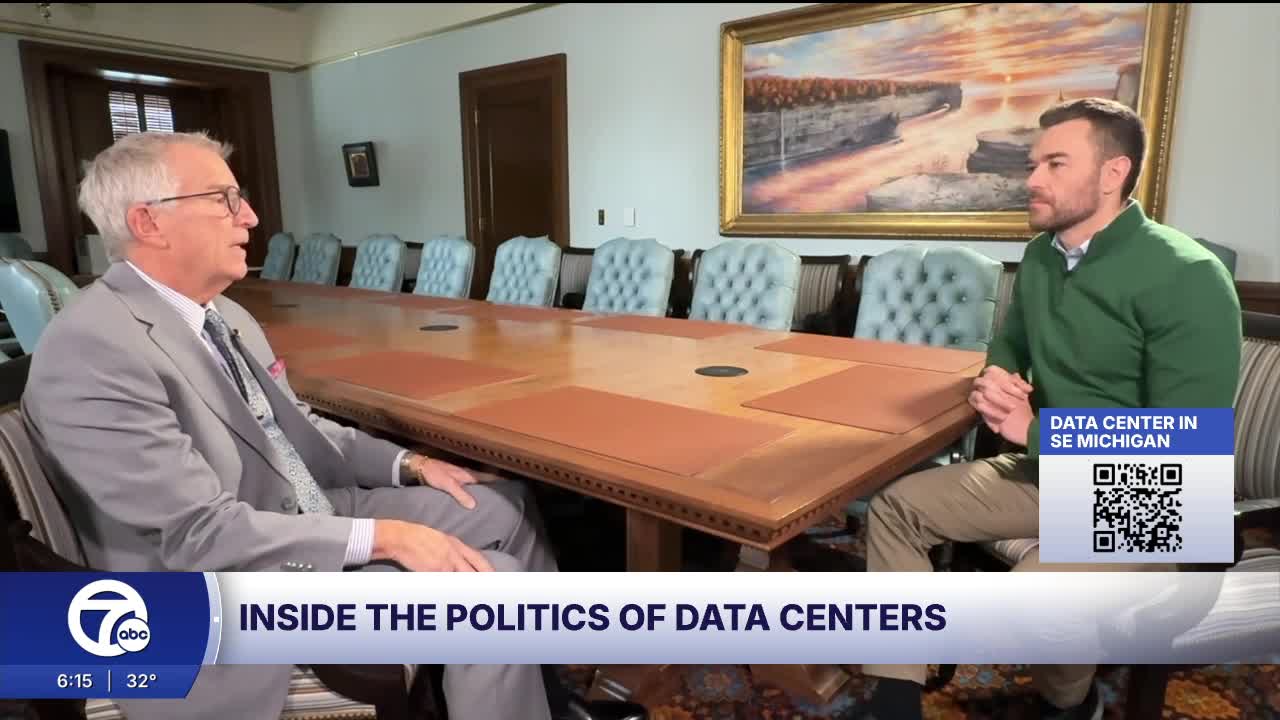



(WXYZ) — The planned AI data center in Lyon Township couldn’t be closer to Mike Kazy’s house.
"So when I moved in here just about five years ago, this was all farmland," said Kazy. “The data center is going to be located right over here, where all these mounds of dirt are currently. And we’re, you know, a stone’s throw away from it.”
Watch Mike Duffy's video report below:
FULL COVERAGE: DATA CENTER DEBATE IN SE MICHIGAN
He’s on the board of the downtown development authority, and yet he tells me he only found out about the project a month after it had already received provisional approval.
“My wife has Meniere’s disease ... inner ear, she constantly has ringing no matter what already. Add 250 AC units that are running 24/7, 365," he said.
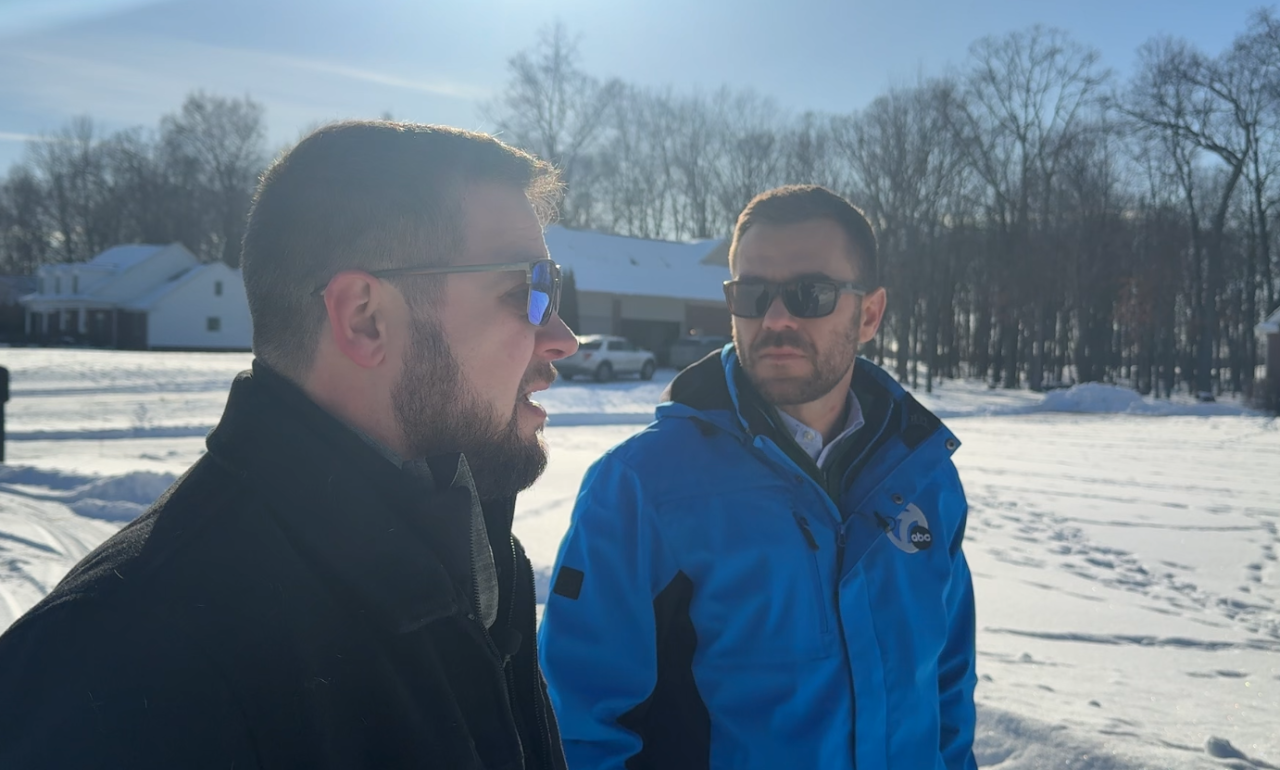
He doesn’t see it as a partisan issue, but says he doesn’t feel like his township is fighting for him.
“I would love to see one group or the other come out and try to fight for the community and try to fight for the constituents that they’re supposed to be representing, versus just saying, ‘I’m here to support my constituents, I’m here to support the residents,’ but never ever functionally doing that," he said.
State representatives Mark Tisdel (R-Rochester Hills) and Jim DeSana (R-Carleton) are both Republicans, each represents a very different district, one suburban, one rural, and they have very different positions on AI data centers.
Related Story: Data centers spark nationwide debate over utility costs and community impact
“Artificial intelligence is the future, it’s undeniable. That technology will require data centers. And we can be a part of that with our engineering-rich population, or we can watch other states flourish as the valuable, high-paying R&D jobs move someplace else," said Rep. Tisdel.
Rep. DeSana says, “I know my people are against these. And I’m personally against them. I live out on a farm. I’m out in the country. This could be right next to me.”
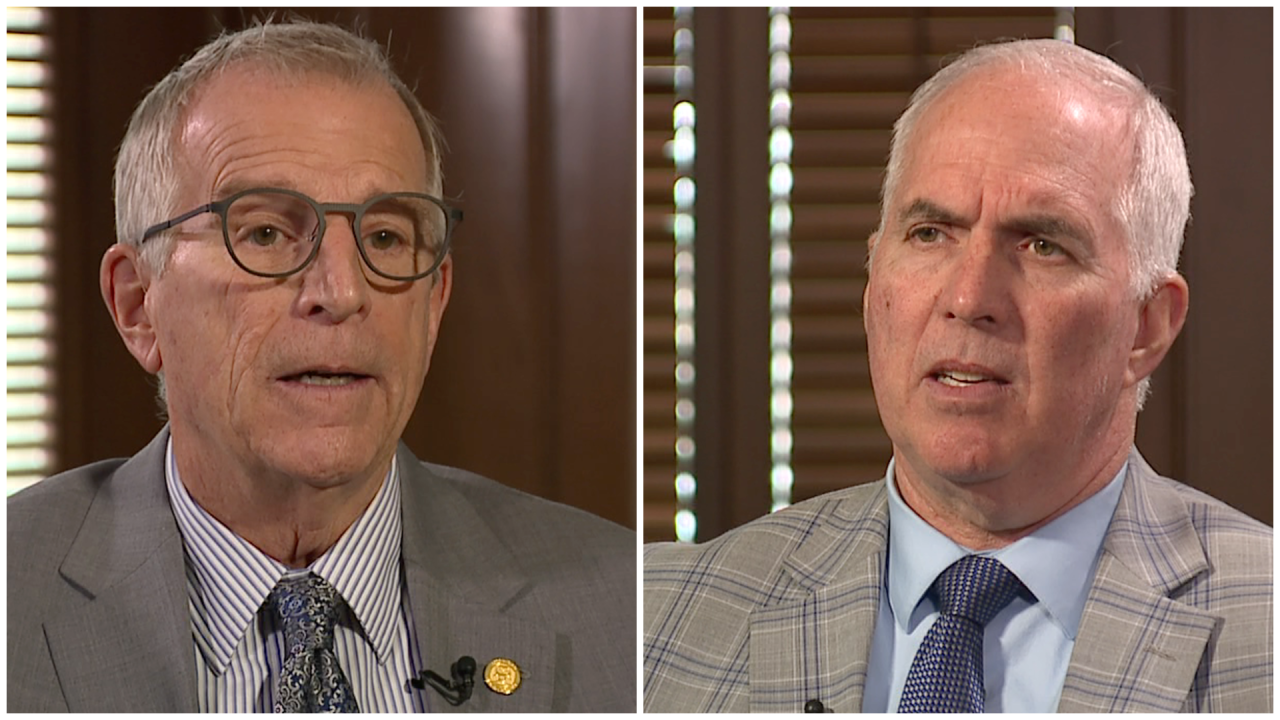
Representative Mark Tisdel says the industry harnesses Michigan’s strengths.
“The engineers, the cool temps, and the access to an abundance of water, this seems like a natural spot for a data center," said Rep. Tisdel. “In a state that has been flat in growth for two generations, in a state that’s fallen 20 places since the turn of the century in per capita income, a state with schools performing in the bottom 10 ... this is going to be a corporate neighbor that will be very difficult to turn away when you start looking at the math.”
Rep. DeSana says, “I think some people will say, ‘Oh, you can’t stop progress. You know, progress happens whether you like it or not.’ I think that’s some of the attitude that we get from our national politicians and even our governor.”
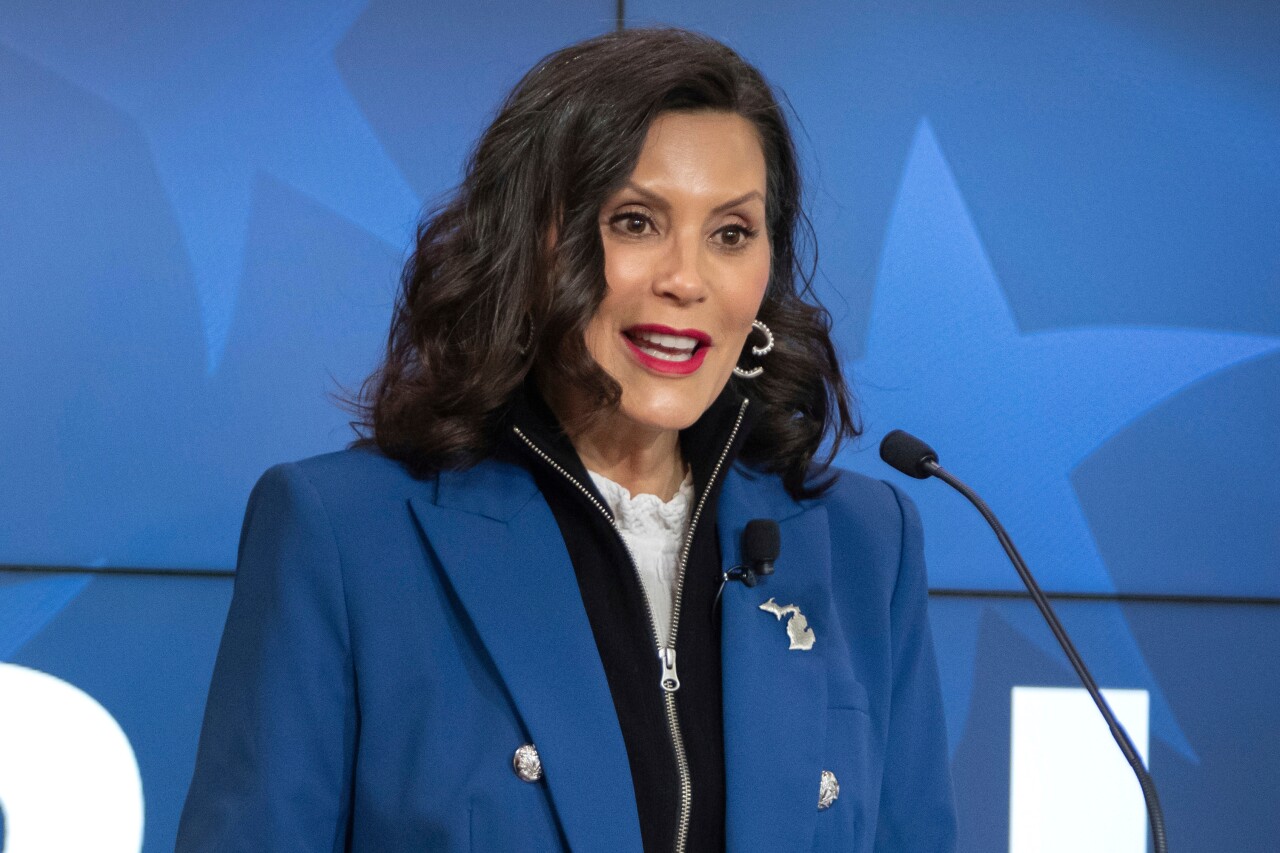
Michigan Governor Gretchen Whitmer has come out publicly in support of such AI data center projects, like the Stargate OpenAI facility in Saline Township. She called it “transformational” and “the largest investment in Michigan history,” and said it would, "help Michigan continue to lead the future of advanced manufacturing and technology.”
Similarly, the Trump Administration has thrown its weight behind accelerating the buildout of AI, prioritizing AI data centers and the power infrastructure that supports them.
“This is one of those areas where I wouldn’t agree with President Trump or Governor Whitmer," said Rep. DeSana.
DeSana says he thinks 85 percent of people living in his district, maybe higher, are against the data centers.
“They’re a nuisance. They’re loud. Anyone who lives around one is going to see a drop in their property values. And they also increase utility rates, they don’t decrease. If you look at the record, utility rates go up, not down," he said.
Plus, he’s concerned about where the centers are being cited.
“This is how I would sum this up, they’re going to the cheapest places possible and the communities that can least afford to fight them," said Rep. DeSana.
I also sat down with Democratic US Senate candidate Dr. Abdul El-Sayed.
“We’ve been hearing about it in town halls across 75 communities now, 235 public events, everywhere," said El-Sayed.

His campaign took the unusual step of publicly posting “Terms of Engagement” for data centers — laying out what he believes companies and utilities should agree to when bringing these facilities to communities.
"Can you give me a sense of the things that were most important for you to put out there?" I asked.
“If you’re promising jobs, those should be good union jobs and you should create every single job you said you’re going to create. Number two, our rates should not go up. We should not be subsidizing in terms of our electrical costs these huge data centers ... three, that some of the revenue that our local utility companies are taking would be spent to renew our reliability, not just keep it where it is," he said.
El-Sayed says he’s not against AI data centers coming to Michigan. And while U.S. Senators have no say on what happens on the state level — he believes a framework with appropriately aligned incentives needs to be established on the federal level.
“The whole point of having these terms is to clarify what the risks are so that folks who feel like there’s nobody on their side know that we’re paying attention and we’re arming them with the information to advocate for themselves, and we’ll be out there advocating for them, right alongside them," said El-Sayed.
Mike Kazy tells me right now, he’s looking for someone, anyone, regardless of party, who will stand up and fight for him and his community.
“I want to hear our country thrive. But at the end of the day, if you aren’t caring about how you get there, what’s the point?” said Kazy.
