

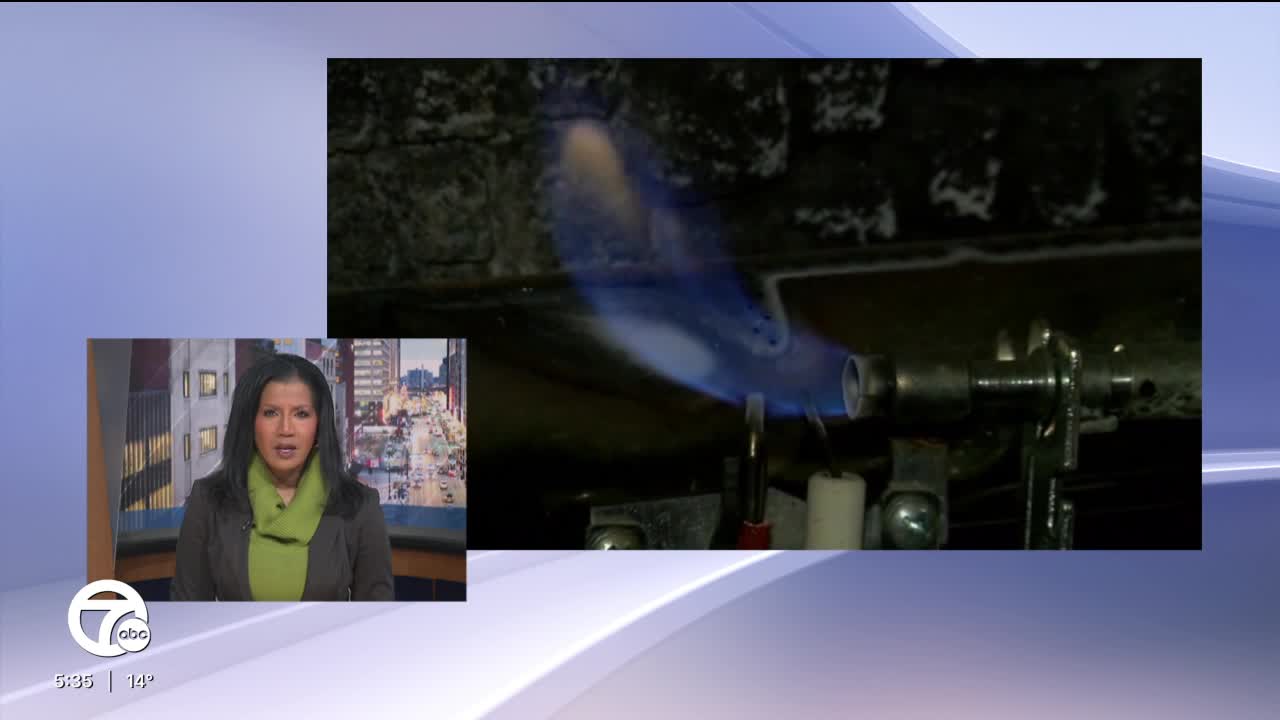


(WXYZ) — In today’s Health Alert, America’s Poison Centers says weather-related calls are rising nationwide, including carbon monoxide poisonings. More than a quarter of the winter-related poison center calls involve children under the age of six. The spike comes after last weekend’s winter storm, which led to power outages and unsafe heating conditions.
Carbon monoxide is very dangerous. Since it’s colorless and odorless, people often don’t realize it’s there until symptoms start. Poisoning happens when carbon monoxide builds up indoors, and too much is breathed in.
Children, especially babies and toddlers, are at higher risk because they breathe faster and absorb more carbon monoxide relative to their body weight.
Symptoms are often described as flu-like and include headache, dizziness, weakness, nausea, vomiting, chest pain, or confusion. People can pass out, lose consciousness, or even die from it.
Here in Michigan, roughly 800 people end up in emergency rooms every year because of carbon monoxide poisoning. Deaths can vary, but in 2023, 31 Michiganders died. Across the country, about 400 people die from CO poisoning each year.
Now, many cases happen between December and February, which makes sense. Exposure often happens during power outages or extreme cold, when people try to stay warm in unsafe ways. This includes running portable generators indoors or too close to the house, using grills or camp stoves inside, or relying on gas ovens and unvented space heaters for heat.
To treat carbon monoxide poisoning, doctors usually give pure oxygen through a mask at the hospital. In serious cases, patients may need a ventilator or an oxygen chamber.
As for prevention, every home should have carbon monoxide detectors on every level and near sleeping areas. If you can, choose a detector with a digital readout so you can see rising levels before they become dangerous. Test all detectors at least twice a year and change the batteries as needed. Replace the units according to the manufacturer’s instructions, or about every five years.
Also, have your heating systems, water heaters, and fuel-burning appliances serviced every year. And never use grills, camp stoves, or flameless heaters indoors. Portable generators should always be used outside – never indoors, including inside garages, even with the garage door open. Generators should be at least 20 feet away from the home, with the exhaust directed away from all doors and windows.
If carbon monoxide poisoning is suspected, get to fresh air immediately and call 911 right away.

This Week on the Dr. Nandi Show
Join Dr. Partha Nandi, MD as he dives into hormone replacement therapy (HRT). Discover how HRT can boost hormone levels and reduce bone fractures while also exploring the controversies and potential dangers. Endocrinologist Dr. Abdul Al-Kassab joins Dr. Nandi to provide deeper insights and expert opinions on this hot topic. Tune in this Sunday, February 1st, at 5 pm.
