



(WXYZ) — May is Lupus Awareness Month and for many people living with Lupus, the hardest battle is not just the disease itself, but getting doctors and even loved ones to believe something is wrong.
The Lupus Foundation of America estimates that about $1.5 million Americans are living with some form of lupus, with women making up roughly 90% of diagnosed cases. Women of color are two to three times more likely to develop lupus.
Watch the full story from Keenan Smith in the video below
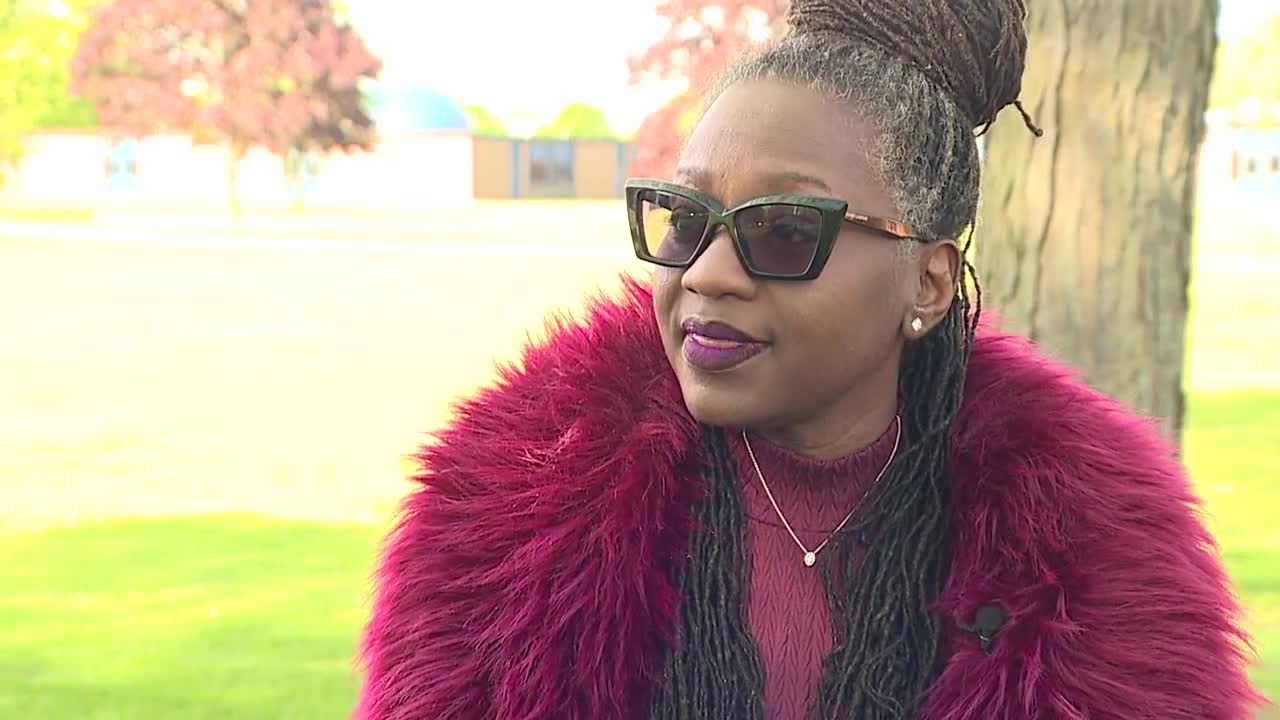
For Lisa Thomas, the road to a lupus diagnosis was not measured in months. It was measured in years.
"It was hard trying to be seen and heard. I've had signs as early as 20 years ago, 20 years before my diagnosis," Thomas told me.

Lupus is a chronic autoimmune disease where the body's immune system attacks healthy tissue. It can affect the joints, skin, kidneys, heart, lungs and brain. Symptoms often come and go and can mimic dozens of other illnesses, which makes diagnosis difficult.
"What were you diagnosed with before you got to lupus?" I asked Thomas.
"That's interesting, you asked that because I think a lot of us hear fibromyalgia first," she said.
Then, after repeated trips to the ER, she was diagnosed with bronchitis. It wasn't until she changed rheumatologists that she was finally given a lupus diagnosis and began treatment.
Thomas is not alone. The average length of time from the onset of symptoms to diagnosis can range from 24 months to more than seven years.

"They often see four or more healthcare providers on that journey," Dr. Natoshia Cunningham, a Red Cedar Distinguished Professor at Michigan State University's Department of Family Medicine, said.
Cunningham said Thomas' experience is not uncommon. She's a pediatric pain psychologist by training and creates non-medicinal pain treatment protocols for diseases like lupus. Cunningham said part of the challenge in diagnosing are the disease's non-specific symptoms.
"Lupus can look really different for different people. So not everyone experiences the same symptoms," Cunningham said.

That can only delay treatment with deadly outcomes, especially in children and women of color. Patients diagnosed before the age of 18 are at risk of more severe symptoms and a 10-fold increase in death due to their disease.
African American women with lupus die on average 13 years younger than white women with the same disease.
For Thomas, the disease affects nearly every part of her daily life.
"It can dictate what I'm able to do, from picking up my two-year-old granddaughter to cleaning," she said.
She said one of the most painful parts of lupus is that many symptoms are invisible and can lead to disbelief from others, including doctors. For many, it also leads to self-doubt.
"I question myself sometimes. Am I really having these symptoms?" Thomas said.

She found community through Lupus Connect, a nonprofit organization dedicated to supporting individuals and families affected by lupus. She said her most important message to others is to always advocate for yourself.
"No one knows your body better than you do," she said. "Now with the diagnosis, I feel like I can breathe."
Lupus Connect is hosting a fundraising brunch later this month to help support people living with lupus who may be struggling financially while unable to work because of the impacts of the disease.
