


Affordable Care Act subsidies have officially expired, affecting tens of millions of Americans who get their insurance through the marketplace. With private and employer-sponsored plan costs also rising, more people are turning to a different kind of system — paying cash directly to their doctor.
The direct primary care model, where patients pay a monthly fee for visits, is gaining momentum across the country.
The American Academy of Family Physicians estimates nearly one in 10 of its members operate a direct primary care practice, a number that has tripled in just a few years.
"Eighty-nine dollars a month, unlimited, and you don't get any other bills for any other care. Totally unrestricted and unlimited," said Jacqueline Robson, vice president of member services at Hy-Vee Health Exemplar Care.
Robson spoke to Scripps News during the opening of a new location in Omaha, Nebraska. The organization bills itself as the "Midwest's leading direct primary care provider," with locations in Nebraska, Iowa, Missouri and South Dakota.
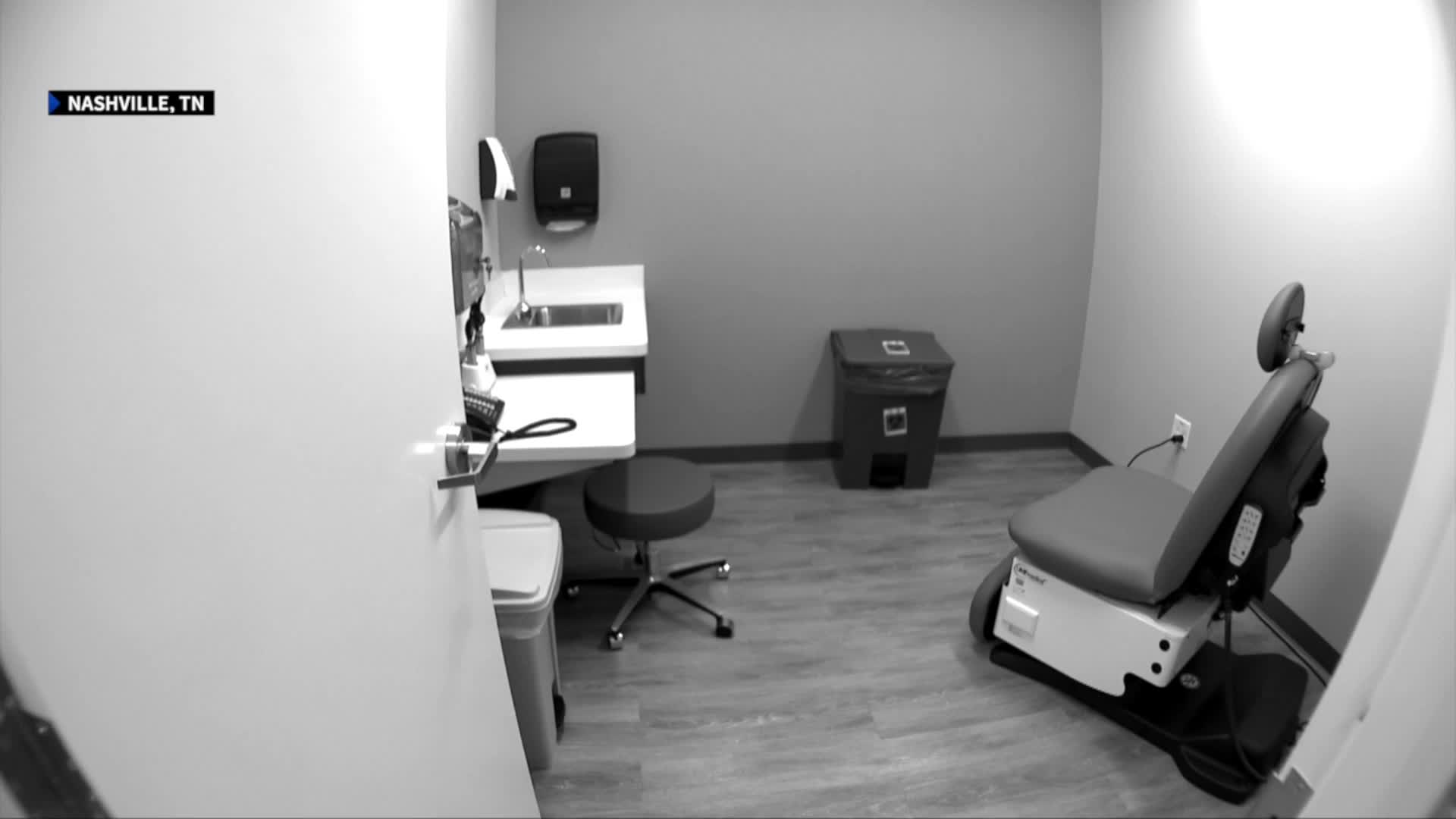
The ability to spend more time with patients is what drove Dr. Rahul Iyengar to open his own direct primary care practice in Nashville, Members Health Co.
"As a doctor, I want to talk to you for an hour, hour and half and that's what I do here since I'm outside the system. In the system, doctors don't get to make their schedule. You're an employee and insurance is really what dictates their schedule," Iyengar said.
Dr. Rachel Dhani, who owns House of Valor in Tampa, transitioned to direct primary care early in her career after working in a traditional hospital and insurance-based setting.
"Freedom is everything. I have joy when I take care of patients and my colleagues who are in insurance-based models, they don't have joy. They are just completely drained from the administrative pressures of these insurance models and patients aren't happy," Dhani said.
Dhani explained that direct primary care allows for more personalized and coordinated care.
"Health care shouldn't be expensive. And the misnomer is that all your money is going towards a provider, and it's not. We are getting capped and like not getting compensated appropriately," Dhani said.
Dr. Noor Ali, a healthcare consultant, said the idea isn't new. In Bangladesh, where she studied medicine, the system is common and can lead to disparities - if you have money, you can get healthcare. If you don't, you can't.
The interest in direct primary care in the U.S started with providers, Ali said.
"And this really started happening when insurance wasn't doing a great job of paying their providers," Ali said. "I just want to do my job as a doctor and give my patients the care they deserve and I want to do it directly."
According to the Direct Primary Care Coalition, there are more than 2,300 direct primary care practices in the U.S., caring for an estimated 300,000 people.
However, Ali cautioned that the model isn't suitable for everyone.
"The best type of candidate for this is someone who's not chronically ill, who's healthy and they don't want to pay insurance big bucks," Ali said. "But if you have that unexpected car accident where you have to go to the nearest emergency room, your direct provider, they're not there for emergency care services."
Iyengar compared health insurance to car insurance, emphasizing that while it's necessary for emergencies, it's not designed for routine maintenance.
"Insurance is great, it has a role, but it's not designed to keep you healthy. It's more designed for when something breaks," Iyengar said.
As health insurance premiums continue to climb, the direct primary care model is likely to attract more patients seeking affordable alternatives to traditional healthcare.
"So you see this kind of cyclical economic impact of this legislation on insurance, on the provider and the consumer, that triangle of health care that we see," Ali said.
